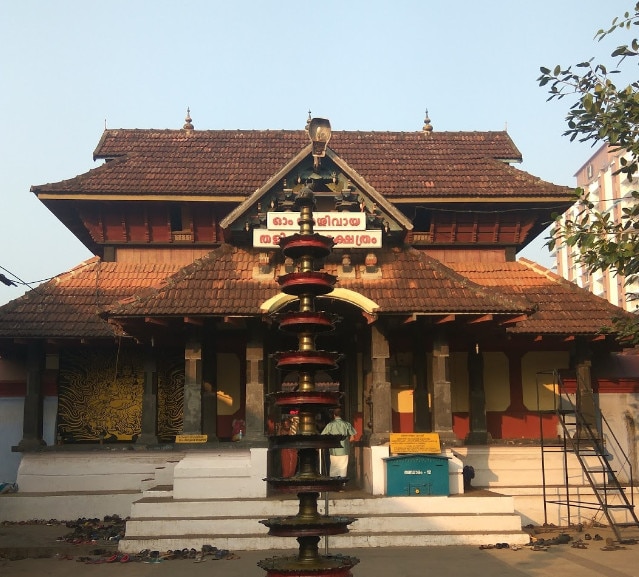
Nestled in the heart of Kozhikode city, Kerala, the Tali Maha Shiva Kshetram (Tali Shiva Temple) stands as one of the most revered and historically significant temples in South India. Rich in myth, cultural legacy, and architectural splendor, this ancient temple dedicated to Lord Shiva is not merely a spiritual destination but a monument that embodies the cultural soul of the region. For devotees, historians, and lovers of traditional Kerala architecture alike, the Tali temple offers an experience that is deeply sacred and visually arresting.
1. Divine Deity and Mythological Origins
At the core of the Tali Maha Shiva Kshetram is the worship of Lord Shiva in the form of Uma Maheshwara, symbolizing the divine union of Shiva and Parvati. According to legend, this temple dates back to the Dvapara Yuga, with its origin credited to Sage Parashurama, who is believed to have consecrated the lingam installed here.
The temple gained prominence during the reign of the Zamorins (Samuthiris) of Kozhikode, who made it their spiritual seat and royal temple. The Zamorins played a vital role in expanding and embellishing the temple and elevating it to a central position in the religious and cultural life of the region. It is also believed that the temple was partially destroyed during Tipu Sultan’s invasion in the 18th century but was later rebuilt with great care, preserving its original sanctity.
The deity is revered for bestowing wisdom, inner strength, and divine protection. Devotees believe that sincere prayers here bring relief from suffering, fulfillment of righteous desires, and spiritual clarity.
2. Traditional Kerala Temple Architecture
Tali Shiva Temple is a masterpiece of traditional Kerala temple architecture, characterized by intricate woodwork, sloping tiled roofs, and meticulous design principles aligned with Vastu Shastra. The temple complex includes:
- A two-tiered sanctum sanctorum (Sreekovil) shaped like a chariot, with beautiful wooden carvings and laterite stone walls.
- An inner prakaram that allows circumambulation and features wooden ceilings painted with mythological murals.
- A large temple pond adjacent to the complex, adding serenity and used for purification rituals.
- A flag post (Kodimaram), lamp tower (Deepasthambham), and balikkalpura (sacrificial altar) that are all aligned symmetrically to create an ambiance of cosmic order.
The temple is surrounded by a massive laterite compound wall designed with aesthetic intent, resembling the belly of an elephant — symbolizing protection, strength, and spiritual balance.
3. Cultural and Historical Importance
Tali temple is not only a religious center but also a cradle of scholarly pursuits and cultural excellence. One of its most important contributions to Kerala’s intellectual tradition is the Revathi Pattathanam, an annual scholarly assembly that dates back centuries. This event, held in the Malayalam month of Thulam (October–November), gathers scholars of Sanskrit, Vedanta, and philosophy to debate, learn, and receive honors from the temple authorities. Winners were once given the title of “Bhatta” along with gold ornaments and traditional garments.
The temple also played a significant role in the social and administrative systems of ancient Kozhikode. The Zamorin rulers would attend key religious ceremonies here and consult the temple priests on matters of governance, justice, and social order.
4. Daily Rituals and Temple Practices
The worship pattern at Tali Maha Shiva Kshetram is systematic and spiritually immersive. Rituals follow the traditional tantric and Vedic procedures:
- Nada Thurakkal (Temple Opening): 4:30 AM
- Usha Pooja (Morning Worship): 5:30 AM
- Pantheeradi Pooja: Around 8:00 AM
- Ucha Pooja (Midday Offering): 10:30 AM
- Temple Closing: 11:00 AM
- Evening Reopening: 5:00 PM
- Deeparadhana (Lamp Worship): 6:30 PM
- Athazha Pooja (Night Offering): 7:30 PM
- Nadayadaykkal (Closing): 8:30 PM
Rituals like Abhishekam, Ganapathi Homam, and Mrityunjaya Homam are regularly performed. Devotees may also sponsor specific offerings and partake in annadanam (community feeding) during auspicious days.
5. Grand Festivals and Observances
The spiritual rhythm of the Tali Shiva Temple is punctuated by vibrant festivals and community events:
- Revathi Pattathanam: A seven-day scholarly festival filled with discourses, debates, and traditional honors.
- Maha Shivaratri: The most important night of the year, observed with all-night vigils, chanting, and special abhishekams.
- Vishu and Onam: Celebrated with great enthusiasm, including Vishukkani darshan, floral decorations, and feast offerings.
- Malayalam New Year Festival: Held in the month of Medam (April–May), this includes flag hoisting, processions with caparisoned elephants, and Arattu (sacred bathing of the deity).
- Prathishta Dinam: Commemorating the original consecration of the temple, celebrated in Mithunam (June–July) with rituals and cultural events.
These festivals are attended by thousands of devotees, turning the temple into a hub of devotion, music, art, and collective spiritual upliftment.
6. Spiritual Ambience and Devotee Experience
The atmosphere of the Tali Maha Shiva Kshetram is tranquil yet powerfully spiritual. During the early morning rituals, the scent of sandalwood, the rhythm of temple bells, and the melodious chants of the Vedas create an almost mystical experience. The sanctity of the space is preserved through disciplined rituals and an environment free from modern distractions.
Devotees often visit seeking:
- Relief from illness or suffering
- Clarity in decision-making
- Success in academic and professional life
- Protection from unseen adversities
Evening Deeparadhana, when hundreds of lamps are lit around the sanctum, is particularly moving — a moment where the divine seems to touch the earth in shimmering golden light.
7. Temple Timings, Dress Code, and Address
Temple Timings:
- Morning: 4:30 AM – 11:00 AM
- Evening: 5:00 PM – 8:30 PM
Dress Code:
- Men: Only traditional attire like mundu or dhoti. No shirts or vests allowed inside the sanctum. Upper body should ideally remain uncovered or covered with a shawl.
- Women: Saree, set-mundu, or other traditional wear. Western attire such as jeans or skirts is not permitted within the inner sanctum.
- Devotees are expected to enter the temple barefoot.
- Use of mobile phones, photography, and videography inside the temple premises is strictly prohibited.
Address:
Tali Maha Shiva Kshetram
Samooham Road, Palayam,
Kozhikode, Kerala – 673002
Phone: +91 495 2703610
Conclusion
The Tali Maha Shiva Kshetram is more than just a temple — it is a living repository of Kerala’s spiritual, architectural, and scholarly traditions. Whether you come as a devotee seeking Lord Shiva’s grace, a traveler admiring ancient architecture, or a student of history tracing the legacy of the Zamorins, the temple offers an experience that is both divine and intellectually enriching.
A visit here is not only a journey into the sacred but also a journey into the heart of Kerala’s rich cultural identity. With its rhythmic rituals, awe-inspiring architecture, and deeply rooted traditions, Tali stands as a timeless beacon of devotion in the vibrant city of Kozhikode.


Leave a Reply
You must be logged in to post a comment.